Who needs to set an alarm when the sun rises at 6:00am every morning? As a result of us waking an hour before breakfast, Tara and I were able to clamber to the top deck and discuss the previous day’s near drowning. We were still pretty shaken up from the experience and recounting what we could do if we were to find ourselves in a similar situation was cathartic. If there is one lesson we learned from the experience, it is to swim parallel to shore rather than directly away from it. Despite being counterintuitive, this method saved us, and we agreed to be even more careful during the rest of our trip.
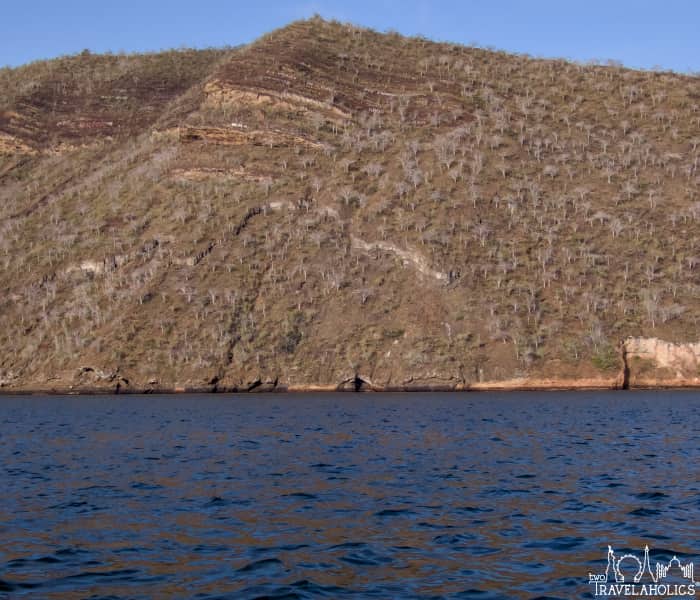
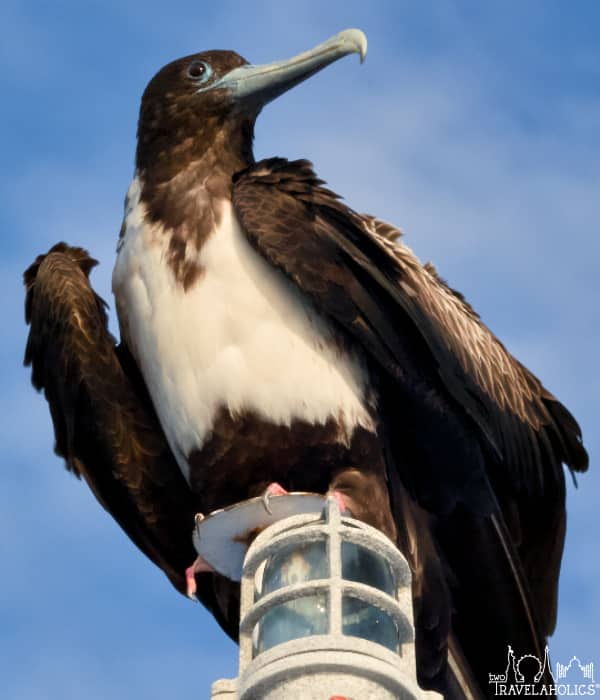
As we talked, frigate birds lazily circled above us while we were treated to a breathtaking view of Isabela Island. During the night, we had traveled the length of the isle and were now at the tail of the seahorse-shaped land mass. While our surroundings were calming, every time we thought about the snorkeling experience, our stomachs would tie themselves into a million knots and then drop over the side of the boat. Ultimately, we pushed our feelings aside and went downstairs for breakfast. We were upset, but still hungry!
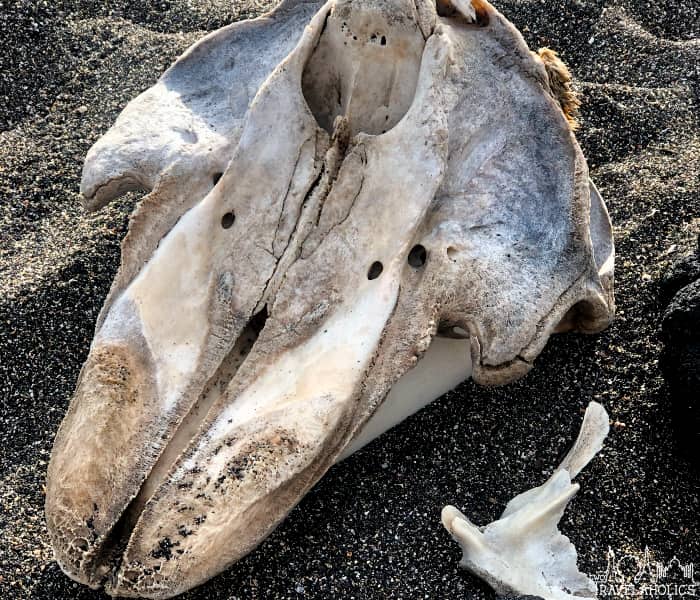
Our first group activity started with a wet landing, as we disembarked at Urbina Bay. As the Zodiac landed on shore, the beach was basically a sandy hill that we had to climb after we jumped in the knee-deep water. At the top of the sandy ridge, where the beach made way for the actual island and transformed from sand to soil, a couple of sea turtle nests were marked (to ensure we would not get too close and disturb them).
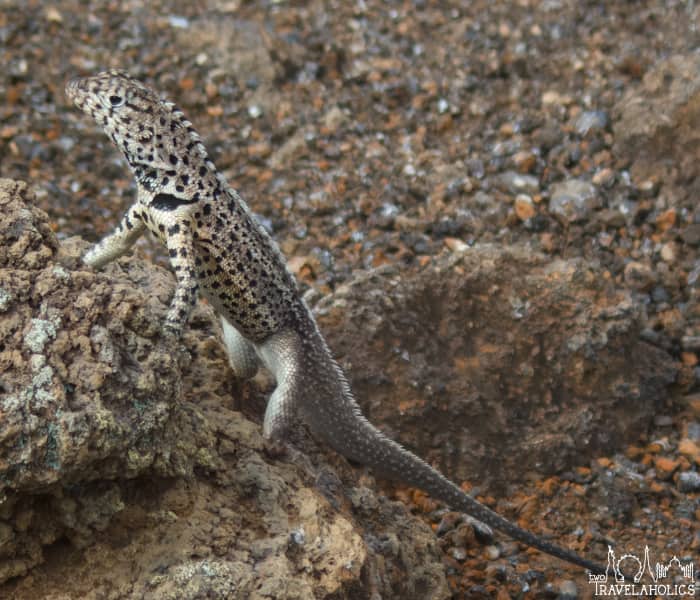
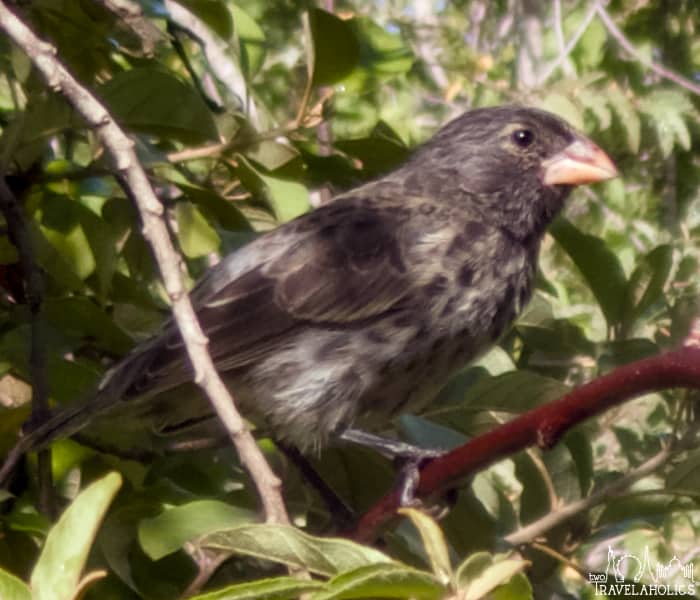
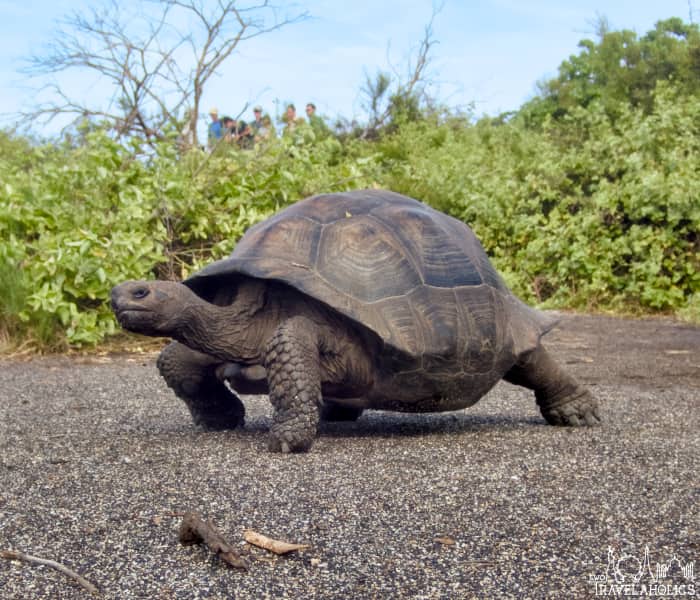
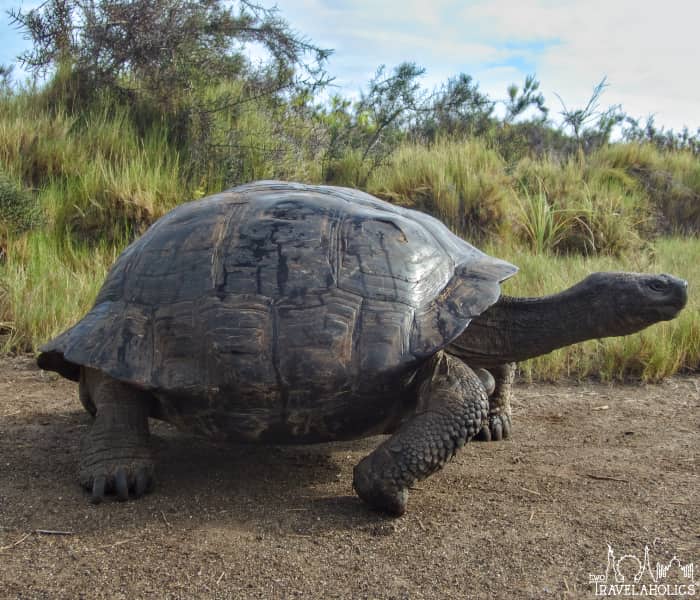
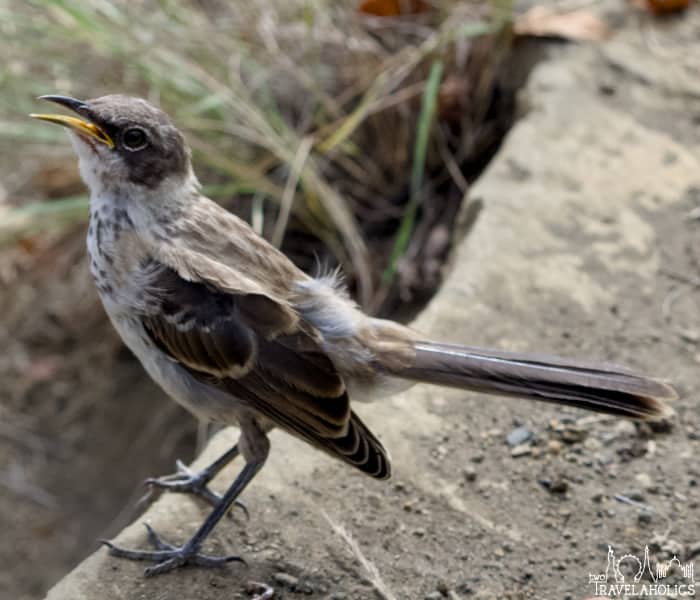
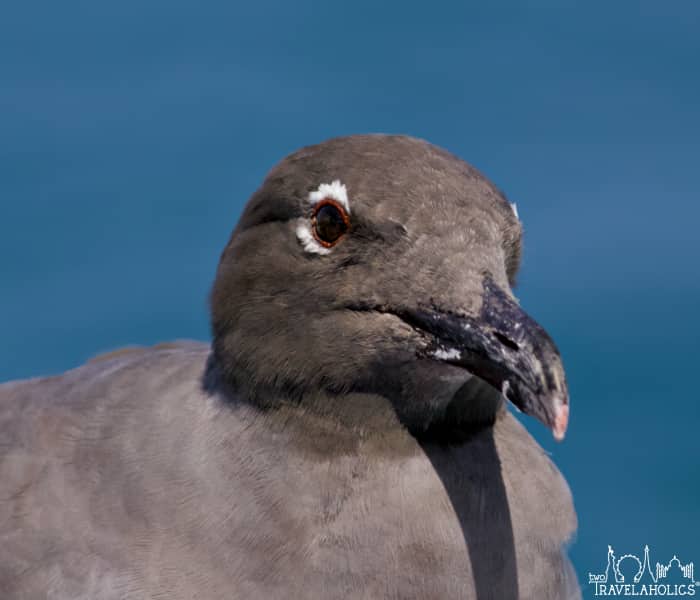
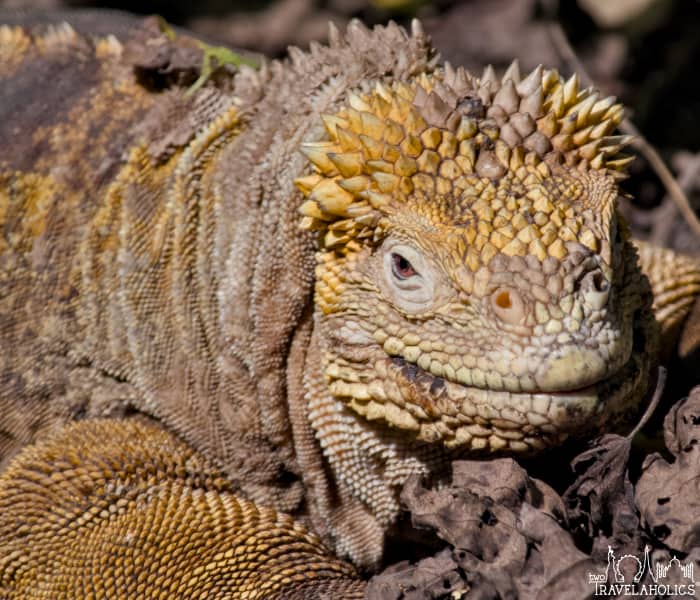
Roberto gathered our group and warned us of the abundance of poison apple trees on the island. With their inedible fruit and poisonous sap, even the leaves could irritate humans, so we made sure to stay away from them. The giant tortoises ambling around us paid no attention to the warning and were chowing down on the apples (since they were impervious to the poison). The island tour lasted an hour or two as we went inland on an ambling loop. There were a few land iguanas, Darwin’s finches, and flightless cormorants around.
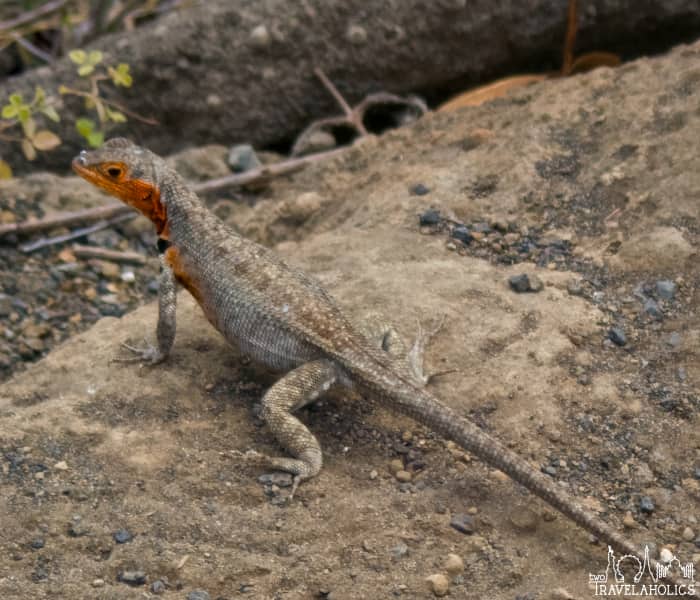
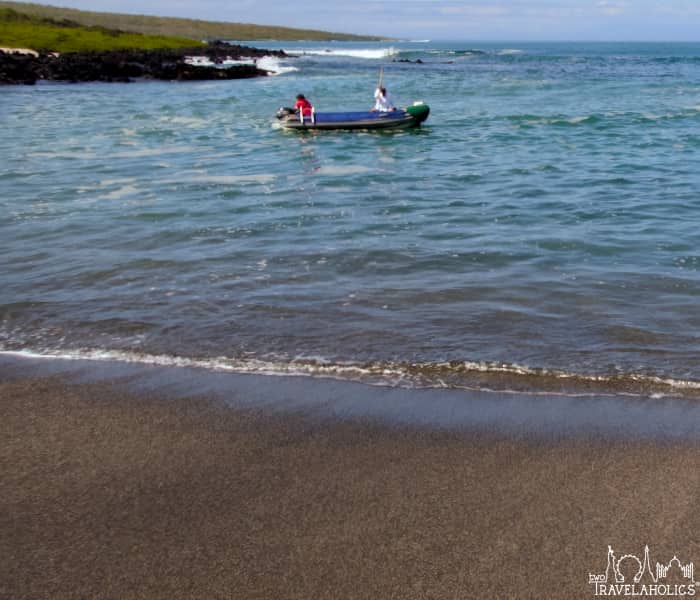
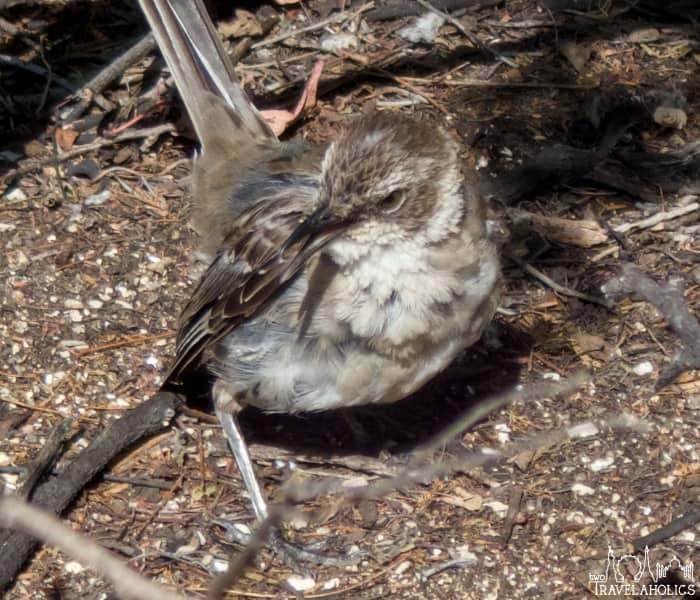
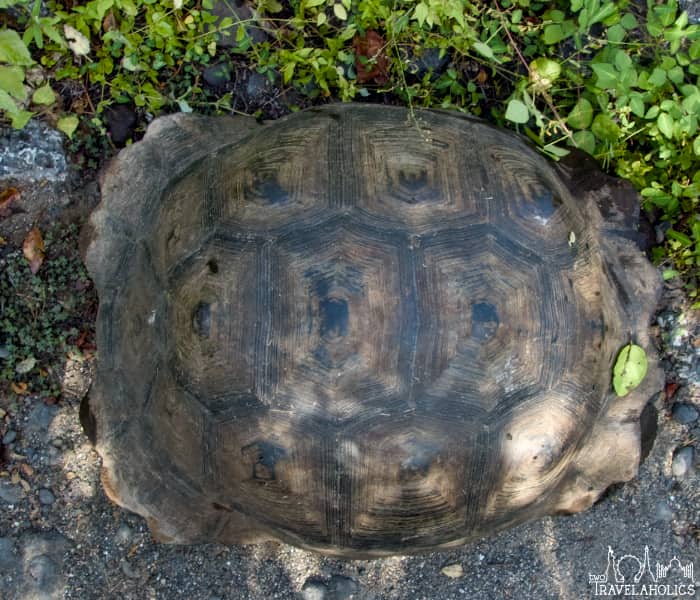
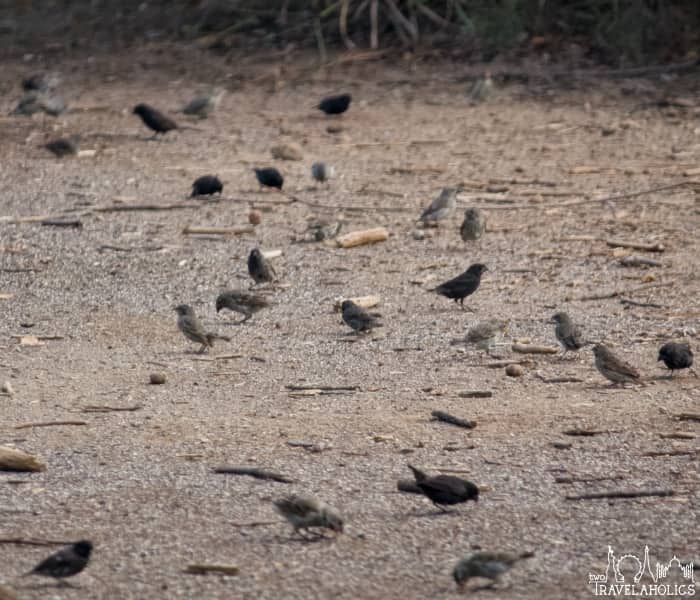
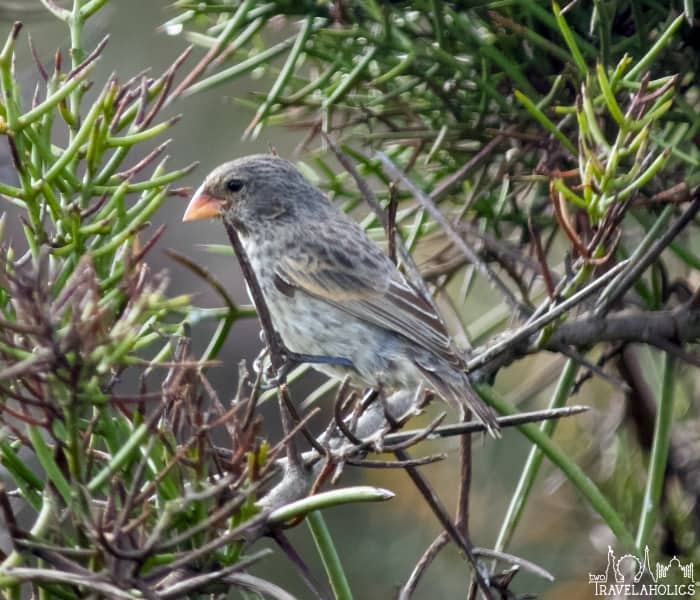
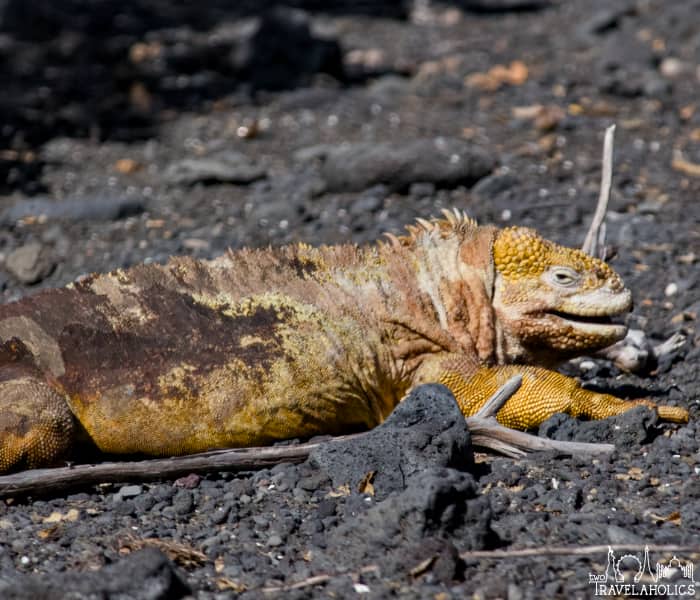
When the walk finished, we had time to snorkel at the bay we had landed in, but the sea was rough. Roberto said there was not too much to see in the area with the waves as large as they were, so Tara and I simply sat on the beach, waiting to get picked up. These unpredictable waves also made a mess of our departure from the bay as the dinghies needed to time their approach so that we could scramble on without getting nailed by a swell. This took several attempts, with the dinghies repeatedly charging in and backing away before anyone could climb aboard. When we finally did hop on, a wave spun the Zodiac as I was throwing one leg over its side, and I was almost dragged underneath it. I could not imagine anyone not in good physical shape being able to safely perform wet landings in rough conditions.
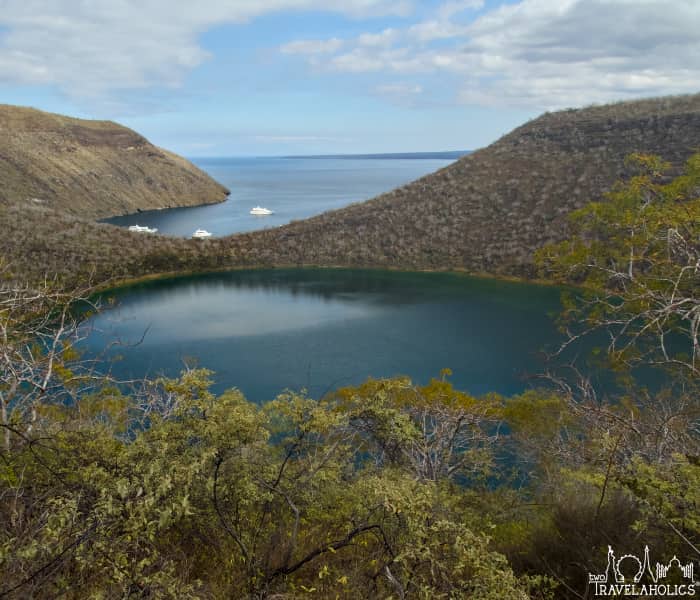
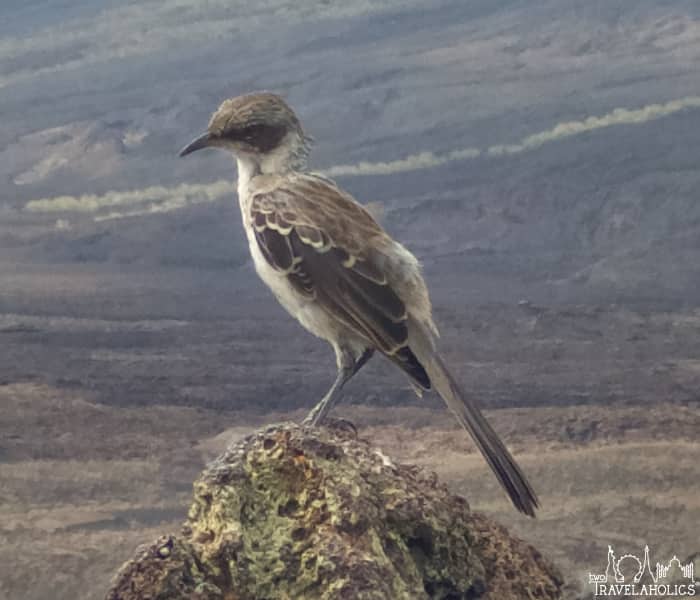
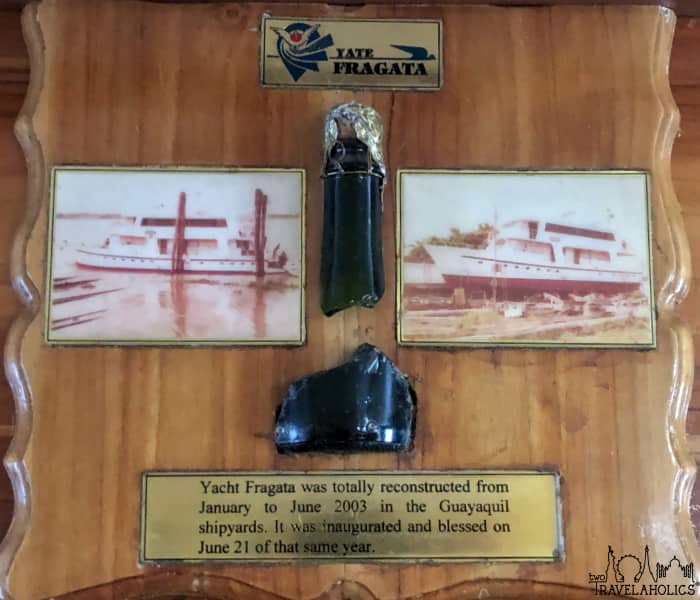
After getting back on the Fragata, we ate lunch and before we knew it were ready for our next activity: a dry landing at Tagus Cove and a hike that took us through a Palo Santo Forest, along the top of the crater known as Darwin Lake (a dead lake, if you will, which was connected to the ocean at one point, so it is filled with salt water, strangely leading to nothing living in it), and then to an outlook of Darwin and Wolf volcanoes. The landscape and panoramic views of the walk were outstanding, even if the wildlife was nearly nonexistent (we saw a small sampling of finches, but not much else). Still, it was one of the more impressive activities during our trip.
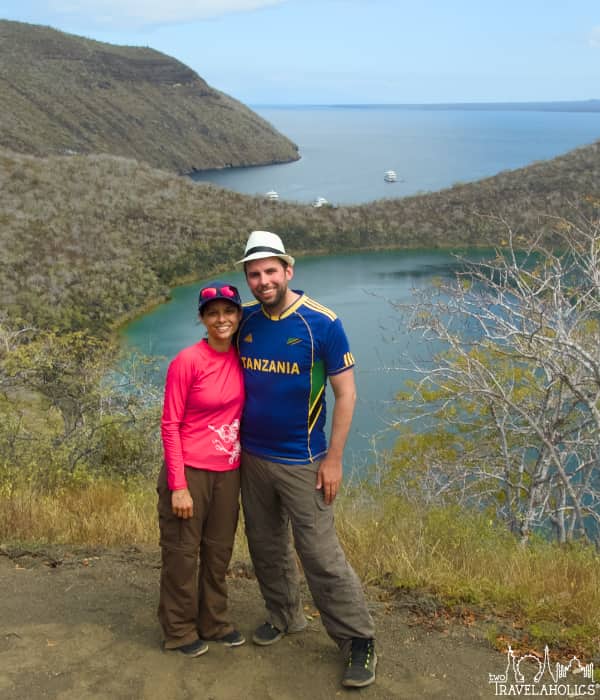
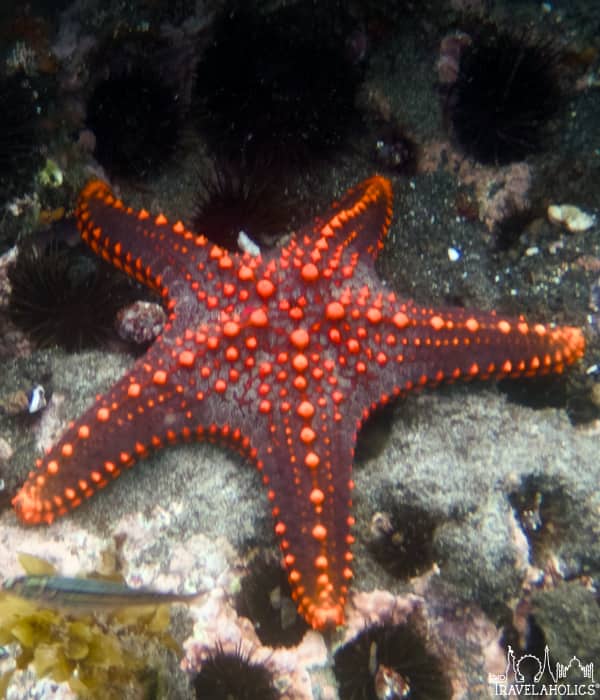
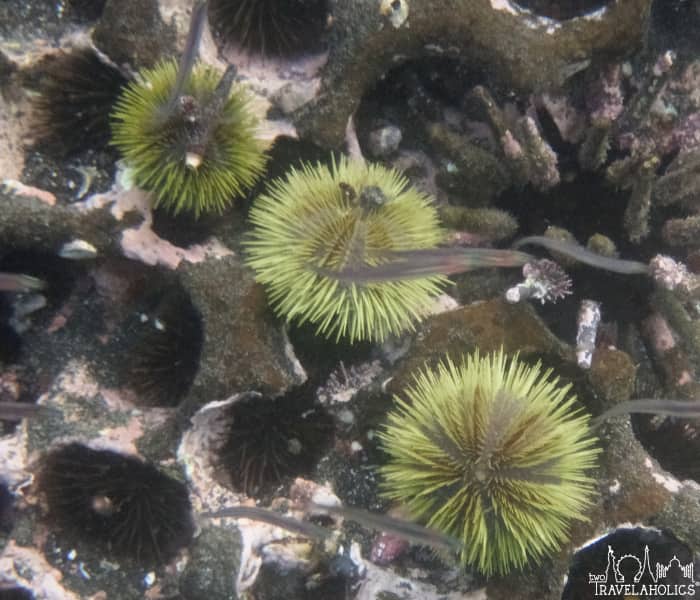
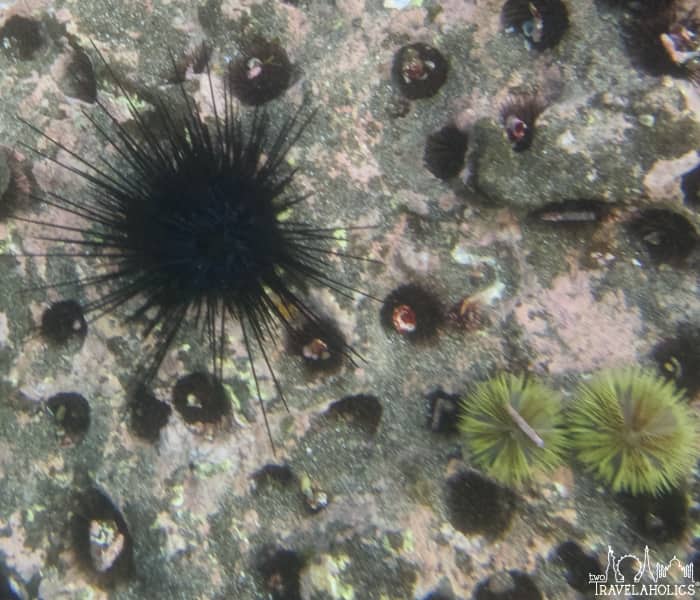
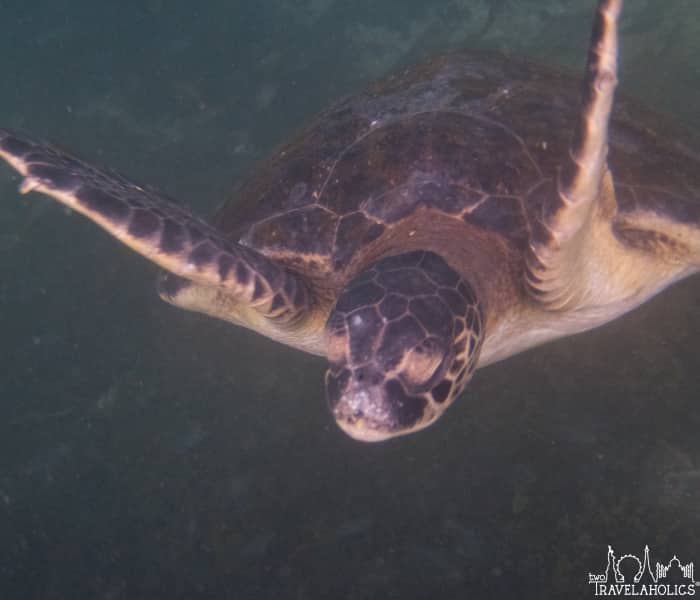
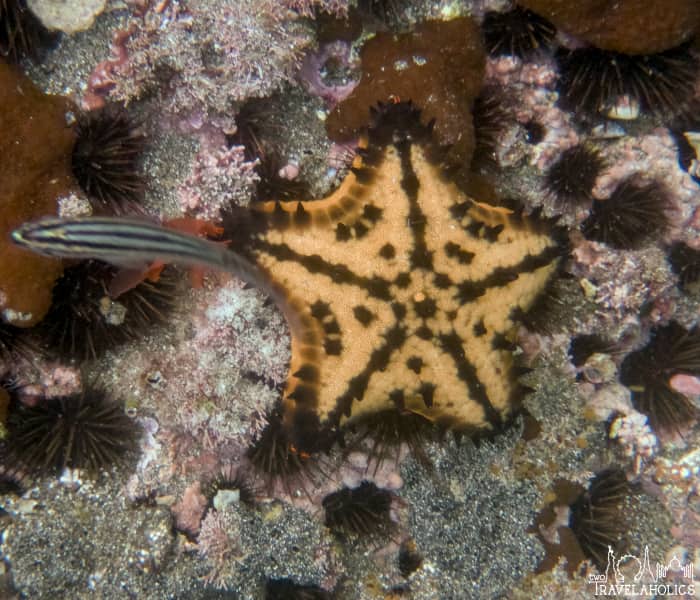
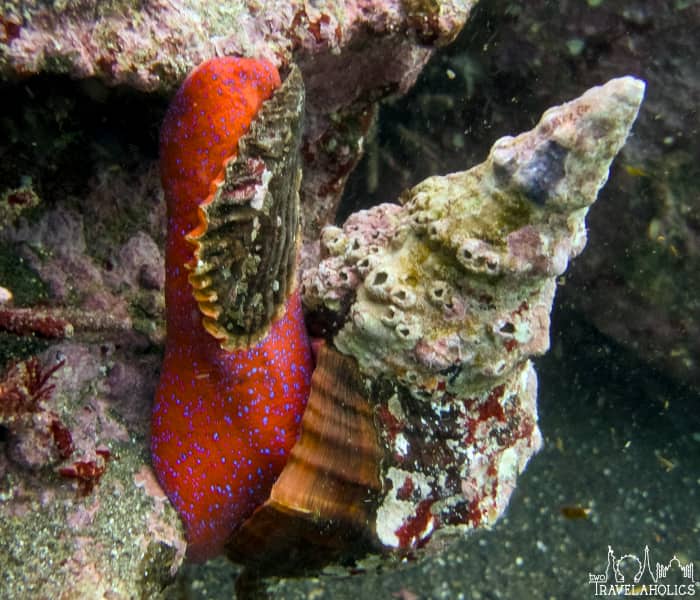
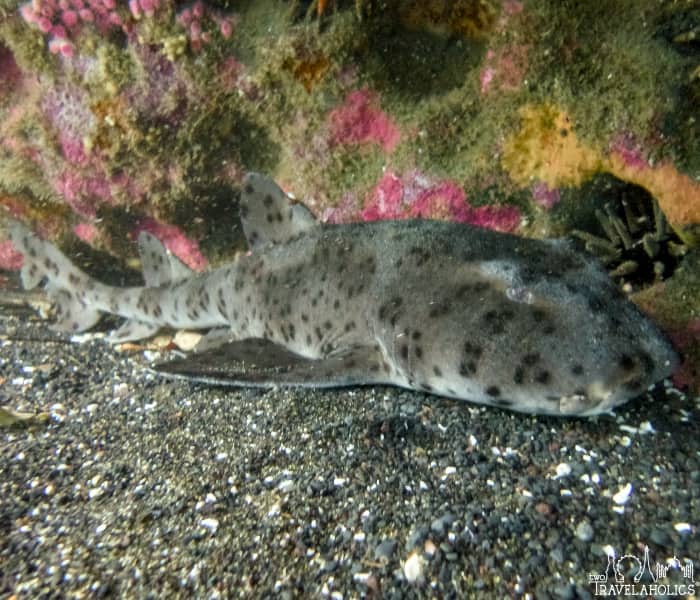
After the hike, we snorkeled in the cove. At this point in the trip, we were becoming skilled (at least for beginners with no training) at free diving. We would try to see some of the marine life that hung out on the bottom of the ocean floor firsthand, like bullhead sharks or sea slugs. In cases where we felt it was too deep for us to dive safely, we would hand our camera over to Roberto. He would effortlessly sink, snap some pictures, or record some video, then ascend and return it to us. We spotted numerous starfish, a smattering of sharks, and a solitary penguin who kept zipping away as we would get close.
After snorkeling, we had some time to regroup and relax on the top deck before dinner. Then as the sun went down, we all went back to the top deck to watch the stars. Tonight, with no lights polluting the atmosphere around us, we felt like we were in a planetarium. Roberto pulled out a green laser that must have been military grade. With its powerful beam, he identified constellations, planets, and stars. We have had only a handful of experiences like this. There is something deeply affecting about seeing the Milky Way so clearly.
This great day was capped off with a celebration with the other tour members and crew as we crossed the equator. The crossing of the equator is a solemn and important affair for sailors, but for us, it simply meant finishing our last beer of the night and then heading to bed. Sleep was not easy, as this ride (we were cruising around Isabela) would be the rockiest one on Fragata. We would later find out that the captain was fighting through enormous swells during the entire night. We were grateful that neither Tara nor I suffer from motion sickness. The sea would settle only an hour before we were set to wake the next day.
Enjoyed this article? You can access the whole series below:
From Bucket List to Reality: Planning Our Galapagos Trip (How we chose the islands, experiences, and tour provider for our trip.)
Day 1: San Cristobal Island: First Steps in the Galapagos (A private tour, giant tortoises, marine iguanas, sea lions, and our first taste of life in one of the world’s most remarkable archipelagos.)
Day 2: Snorkeling Kicker Rock: Sea Turtles, Sharks, and Eagle Rays (A day of snorkeling, wildlife, and sunset beers on our first full day in the Galapagos.)
Day 3: Santa Cruz Island: Tortuga Bay and Puerto Ayora (Our first day on Santa Cruz Island combined kayaking, snorkeling, wildlife encounters, and one of the Galapagos’ most beautiful beaches.)
Day 4: South Plaza Island: Land Iguanas, Sea Lions, and a Very Bad Sunburn (A day of wildlife watching, snorkeling, sunset strolls through Puerto Ayora, and recovering from one of the worst sunburns of the trip.)
Day 5: Floreana Island: Pirate History and Sleeping Turtles (Exploring one of the least-visited islands in the Galapagos before an incredible dolphin encounter on the journey back to Santa Cruz.)
Day 6: Boarding Fragata Yacht: Life Aboard Our Galapagos Cruise Begins (Recovering from food poisoning, meeting our crew, and spending an unforgettable afternoon snorkeling with playful sea lions at Mosquera Island.)
Day 7: Fernandina Island: Vicente Roca Point and the Scariest Moment of Our Trip (Wildlife-filled snorkeling, volcanic landscapes, and a terrifying lesson in how quickly conditions can change in the Galapagos.)
Coming soon! Day 9: Santiago Island: Egas Port and Sombrero Chino Island (Galapagos fur seals, cave-dwelling sharks, playful penguins, and one of our favorite snorkeling spots of the trip.)
Coming soon! Day 10: A Different Side of Santa Cruz Island: A relaxed day in the Galapagos (Fish markets, giant tortoises, lava tunnels, and a quieter day exploring the Galápagos beyond the wildlife tours.)
Coming soon! Day 11: Back to Isabela Island: Las Tintoreras, Flamingos, and the Wall of Tears (An early-morning visit to Las Tintoreras led to playful snorkeling encounters before a day exploring Puerto Villamil’s tortoise center, wetlands, and wildlife-filled coastline.)


Leave a Reply