Overnight, the captain plotted the course to our next location, Isabela Island. While our evening had ended with us east of Isabela, the Fragata would cross the Equator (twice!) overnight, and we would wake up off the island’s western coast. Thankfully, despite the sky being cloudy, the water was not rough during the trip, so we were able to get a good night’s sleep.
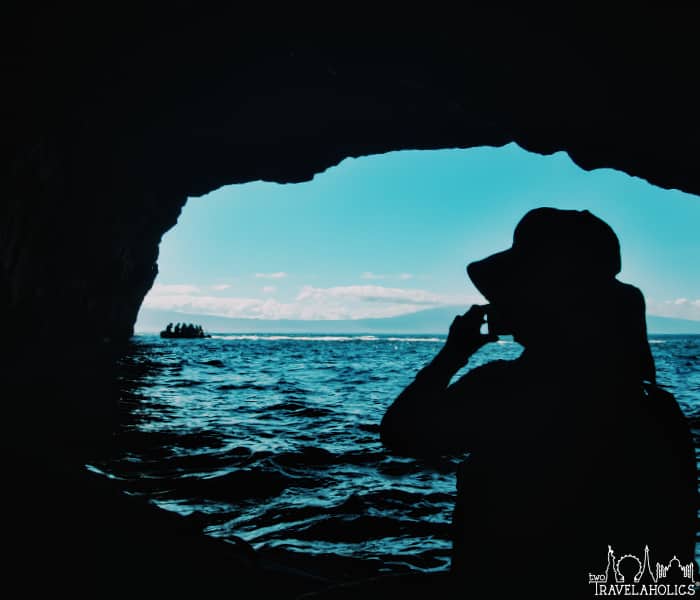
Our day started with us devouring a filling breakfast buffet before hopping in Zodiacs for a tour of Vicente Roca Point. Roberto sat at the front of one of the dinghies and described what we were seeing as one of the crew members piloted the motor. Since our tour had enough people to fill two small boats, we were lucky enough to grab the one that Roberto was on.
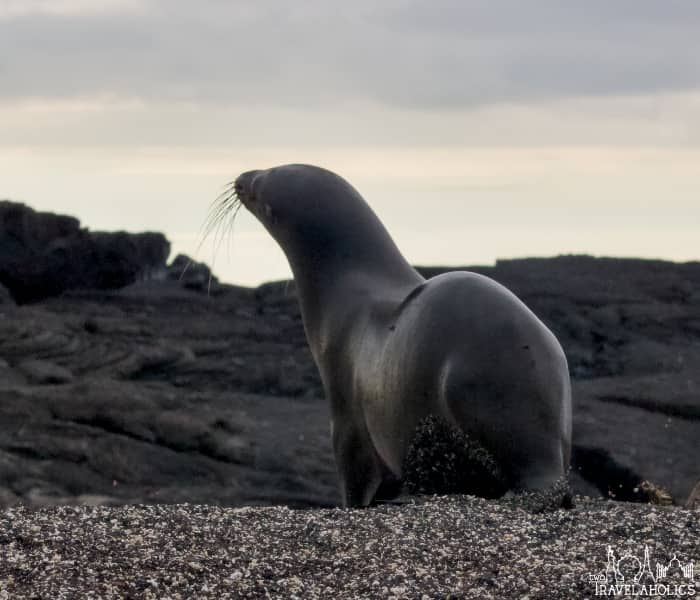
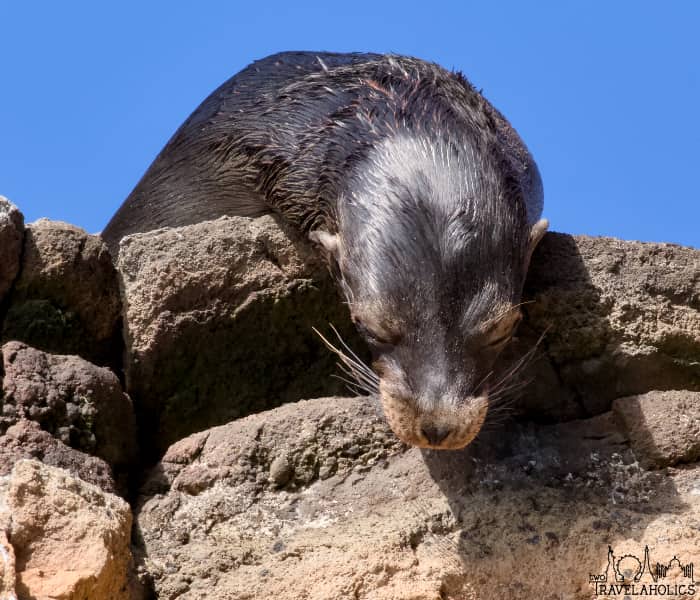
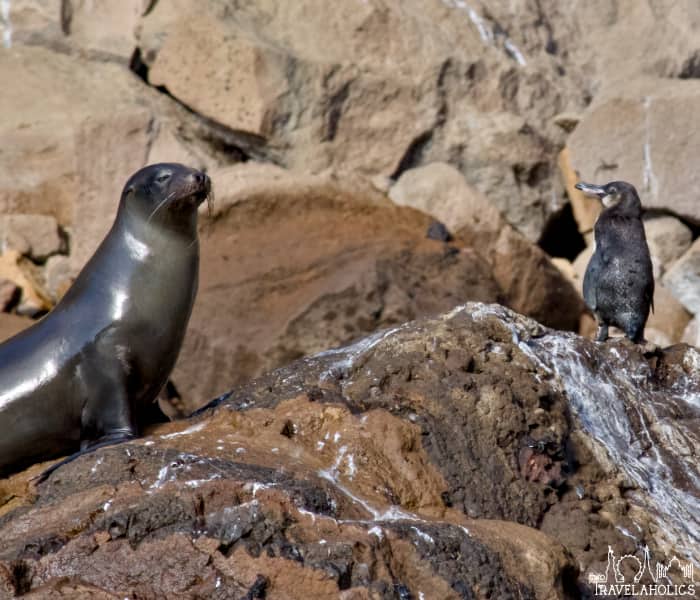
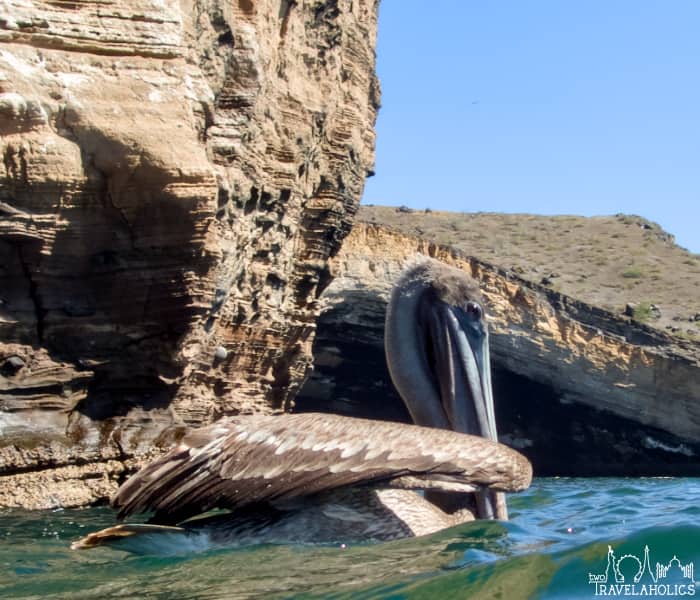
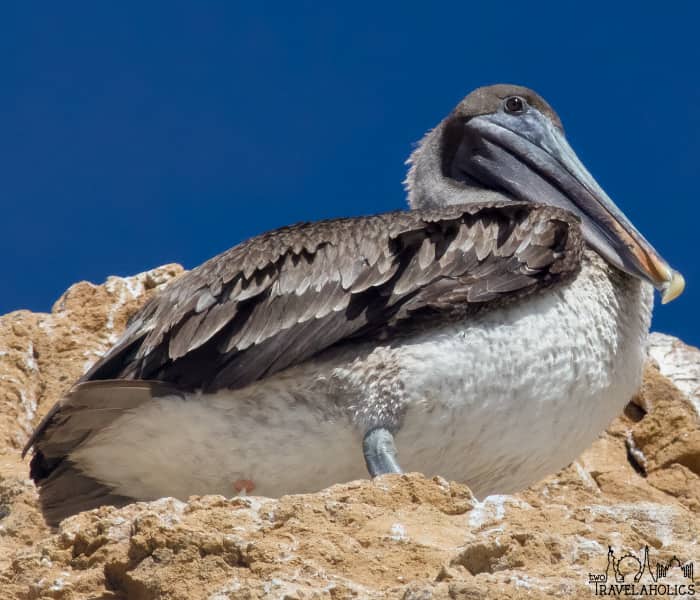
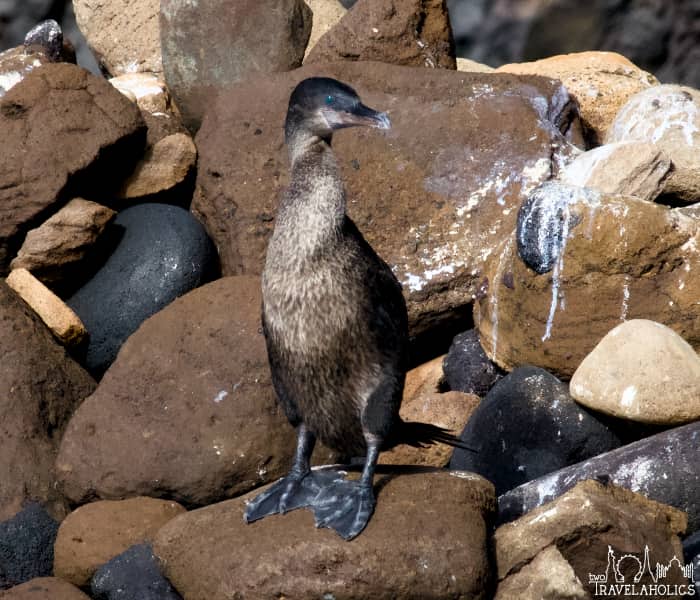
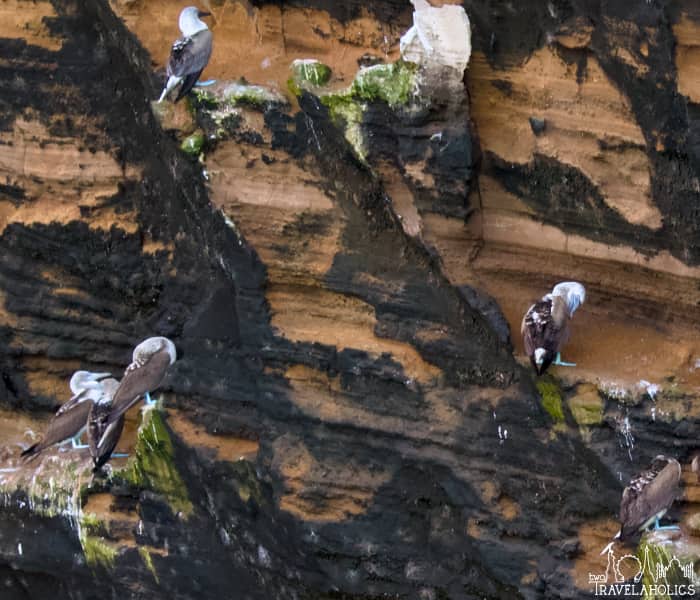
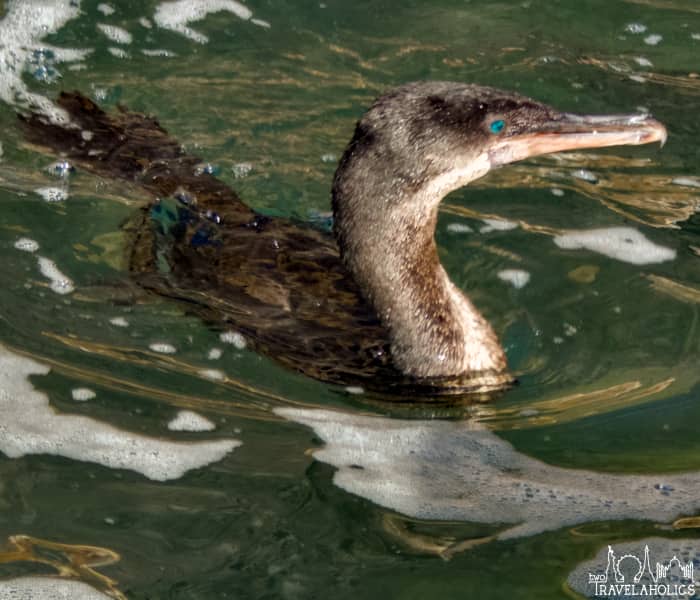
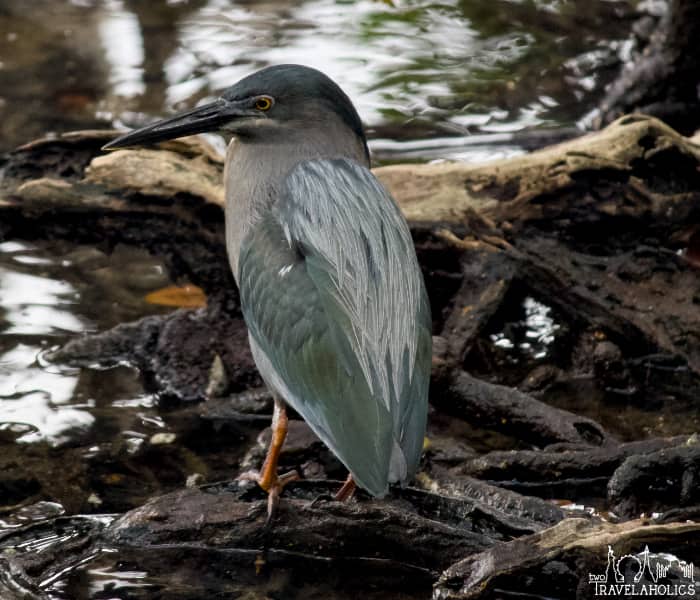
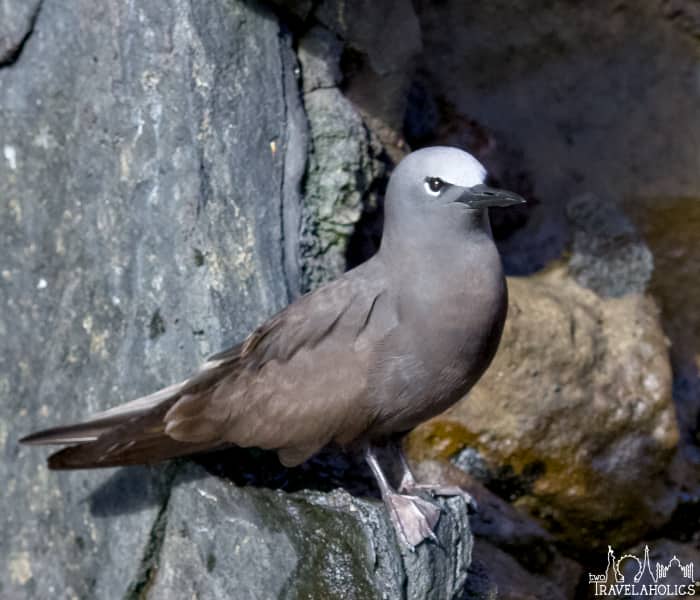
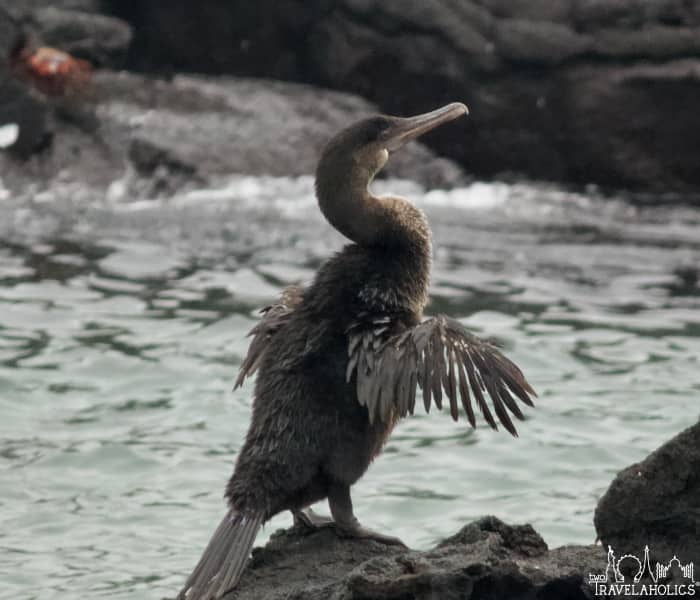
Vicente Roca Point is made up of two coves, protecting sea life from large waves, and the wildlife we encountered was interesting, to say the least. This time, I took notes on the birds, so here we saw blue-footed boobies, Nazca boobies, brown noddies, pelicans, and flightless cormorants, which lined the shores and cliffs. An odd couple, made up of a penguin and sea lion, sunning themselves next to each other really caught our attention. After seeing so many documentaries of penguins being hunted by sea lions, it was hard to reconcile the sight of these two species hanging out next to one another like buddies.
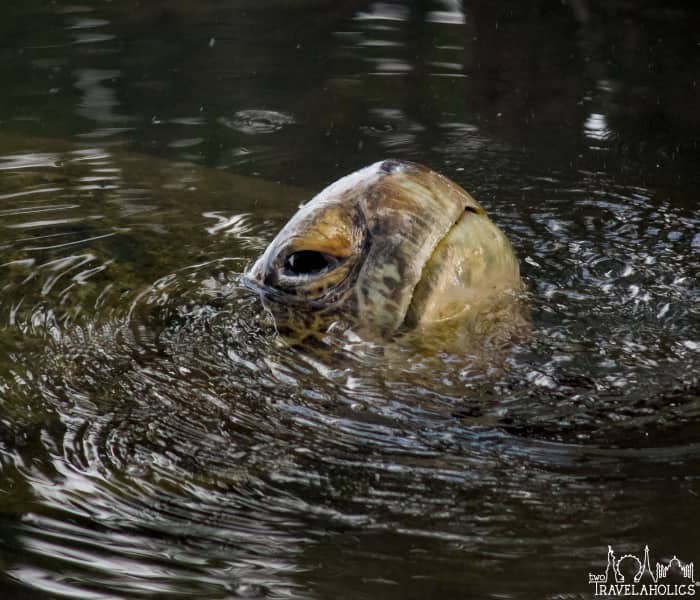
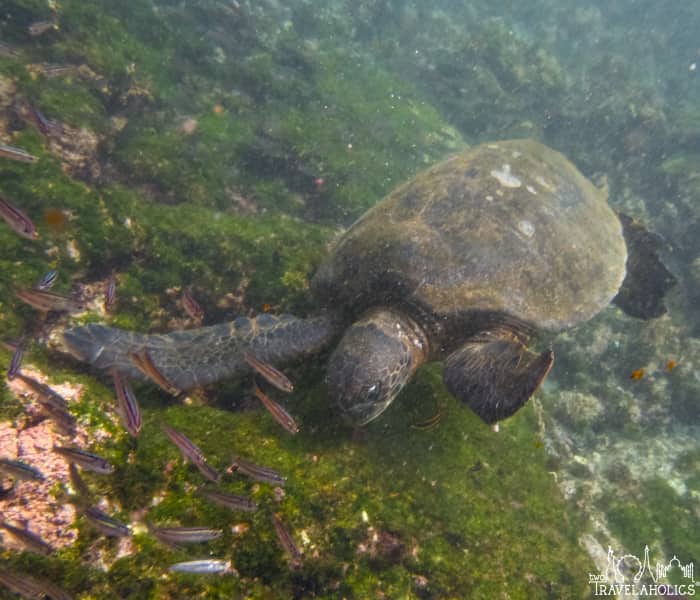
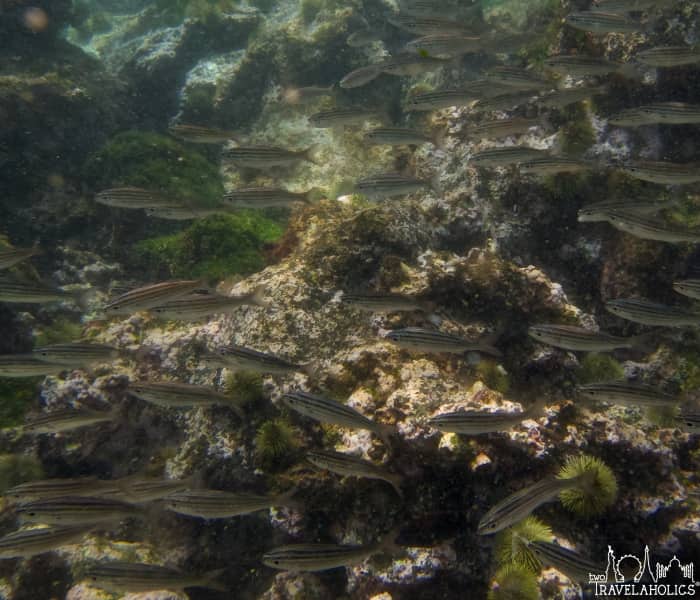
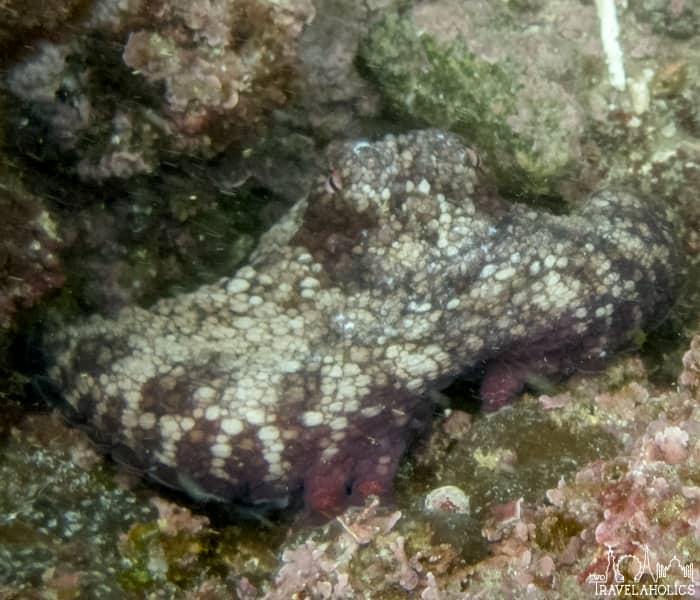
In the water, we saw red starfish, sea turtles, and marine iguanas. Although we left the protection of the cove in search of mola mola (sunfish), we weren’t able to see any. The tour was more geared toward seeing the birds and wildlife out of the water, because after we wrapped up on the boats, we were to change into our snorkel gear and follow the same path, only this time in the water. The difference between being above the water and being below it was stark. When we would dive under the surface, the sheer number of fish was staggering. Equally, when we spotted turtles nearby, we hopelessly chased after them (they were way too fast and elusive to get too close), but our proximity to them was strangely euphoric. It is difficult to describe what these encounters felt like because the animals generally didn’t seem to care that we were there at all.
The great thing about snorkeling multiple times a day was that we no longer felt the need to shower. After finishing in the ocean, we would rinse off with a hose at the back of the boat, but our skin seemed to love the salt water. The water was so fresh and clear that every time we would swim, it seemed like a spa treatment.
After snorkeling, lunch was laid out and ready. As we ate, the captain piloted the Fragata across a small stretch of water to Fernandina Island. Before we would go ashore on Fernandina, we had another snorkeling trip planned. This time, at this spot we were supposed to see marine iguanas swimming and eating underwater algae (up until now, we had only seen the iguanas sunning themselves or resting onshore). Unfortunately, this snorkeling experience would quickly turn into a nightmare.
Not long after we had jumped into the water, another group from a different boat began commingling around where we were. As a result, Tara and I stayed close to one another, but ended up tagging along with the wrong group. Because we were submerged and mainly looking down and around under the water, we didn’t notice we were mixed up until we were pretty far away from everyone. Thankfully, Tara and I are okay swimmers, so we put our heads down and tried to rejoin our group. Since we had not seen the way Roberto had led everyone initially, we went our own way, which cut through a shallow reef (our guide had taken the others around this).
This reef was a mixture of algae-covered rocks and coral, slippery and waist deep. Not a problem to swim or gingerly wade through if the water was calm. However, the water was far from calm. Two- to three-meter-high swells began crashing down on the reef and onto us. Every time we thought we would get our bearings, another wave would pound us. There have been very few times in my life where I thought I was going to die, but this was one of them.
One of the Zodiacs from our boat idled in the water maybe thirty meters away from us. We had been instructed to wave to him if we felt like we were in trouble, so both Tara and I began to wildly flag him down. Unfortunately, the positioning of the waves and reef made it impossible for him to come closer; the dinghy would be smashed into the rocks if he tried. It was apparent that we were in distress, and I thought, I can’t even save myself, how can I save Tara? Foolishly, I tried swimming into the waves, but our attempt to catch back up with the group had already worn me down, and I found myself struggling. In the moment, exhaustion and fear clouded my judgment. Instead of trying to fight the waves or stand up in the shallows, I should have relaxed and put my back to the waves and swum out between them (Tara would end up escaping this dangerous situation by doing this).
In what felt like an eternity, Roberto finally understood the gravity of the situation and came over to me. He said to follow him, and we swam parallel to the shore until we cleared the rocks. Overall, the whole experience was terrifying, but it was also an important lesson in how fast conditions can change when you’re in the water.
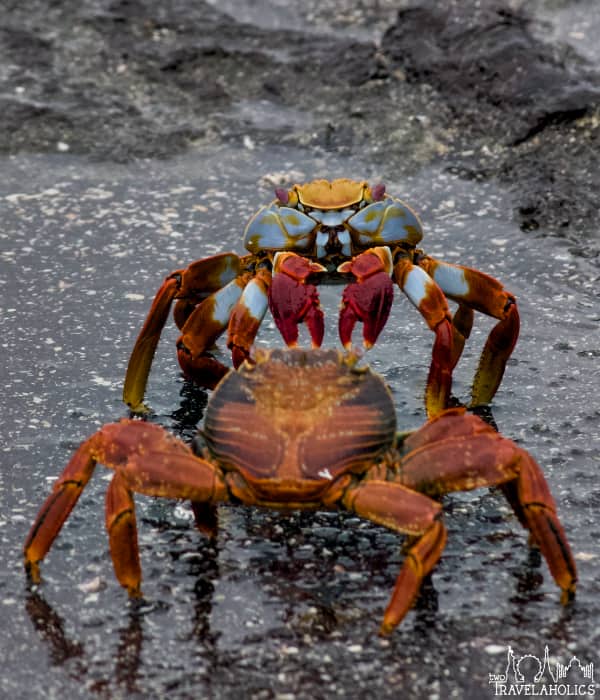
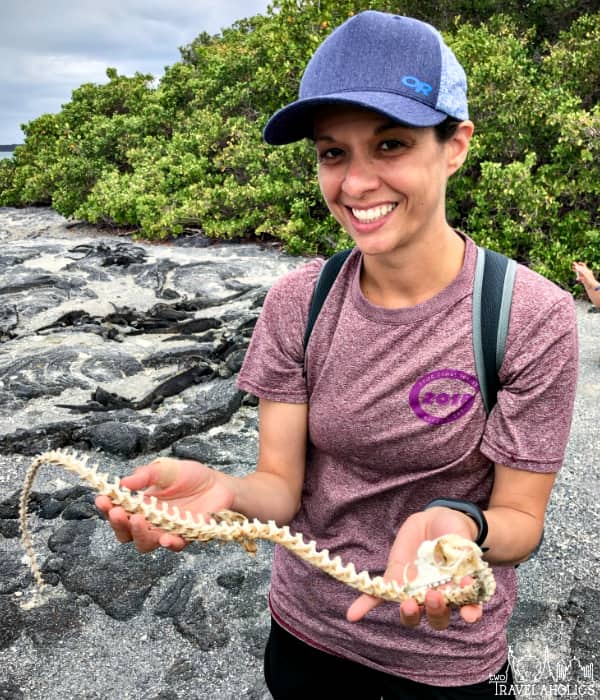
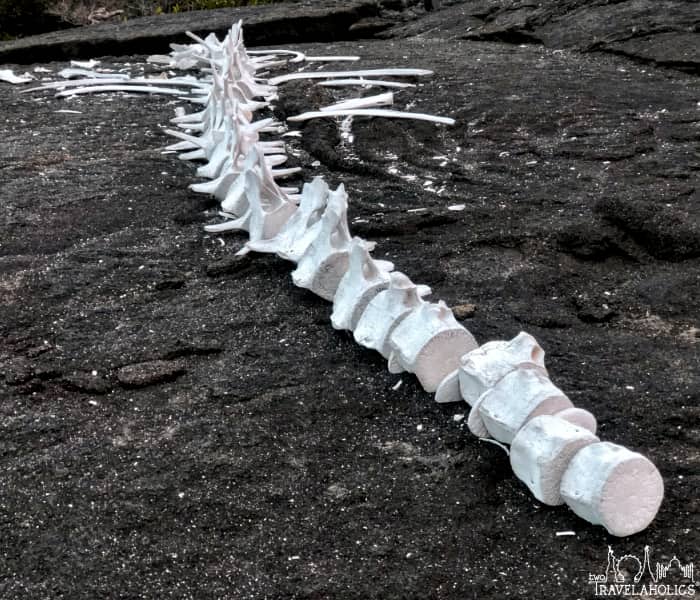
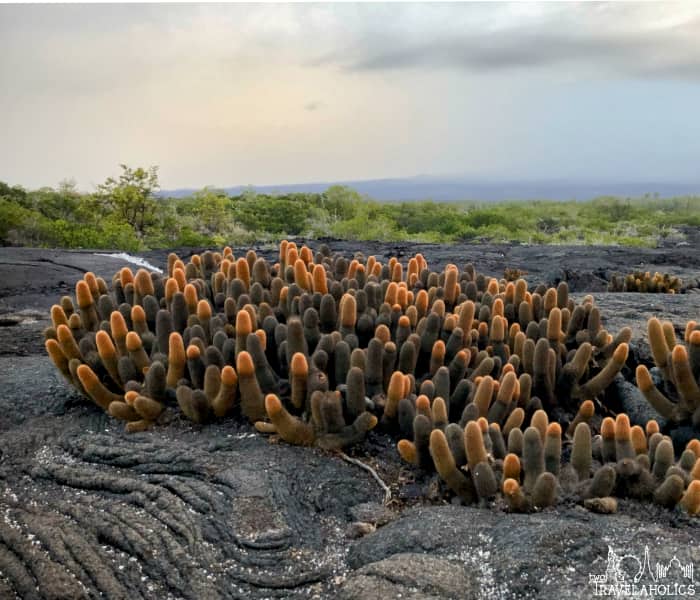
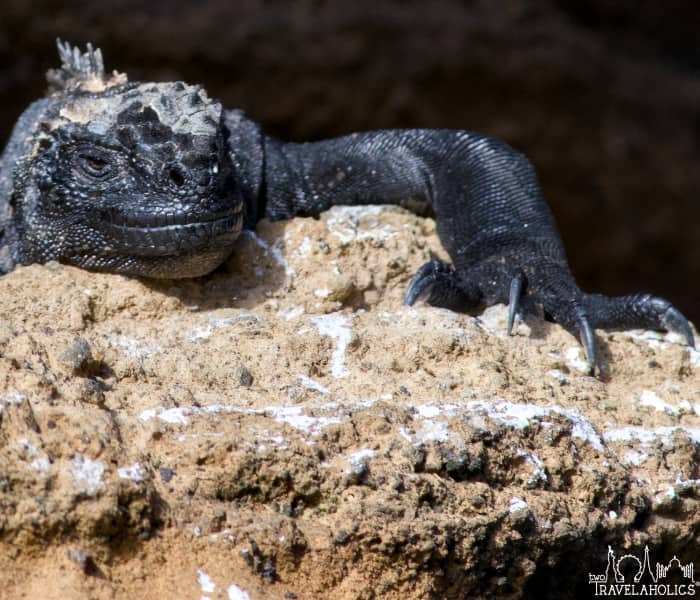
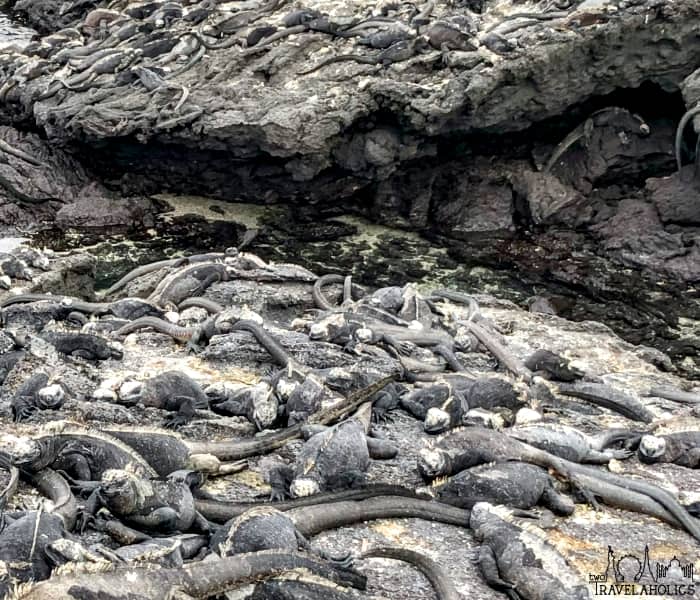
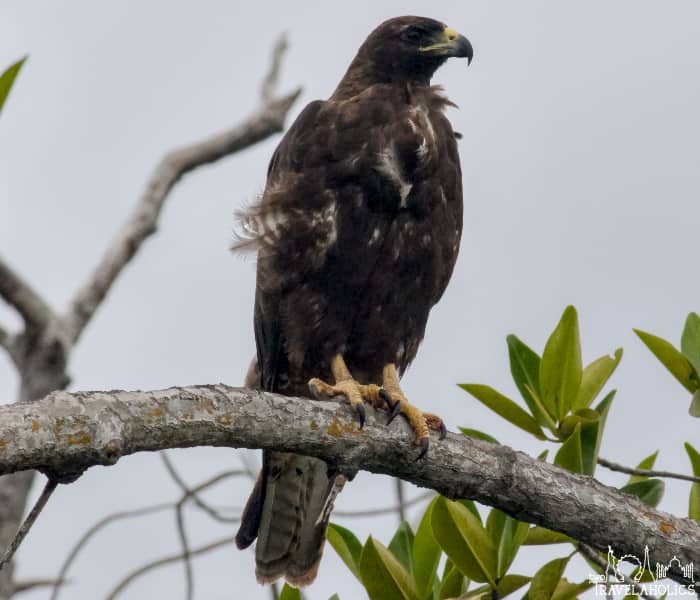
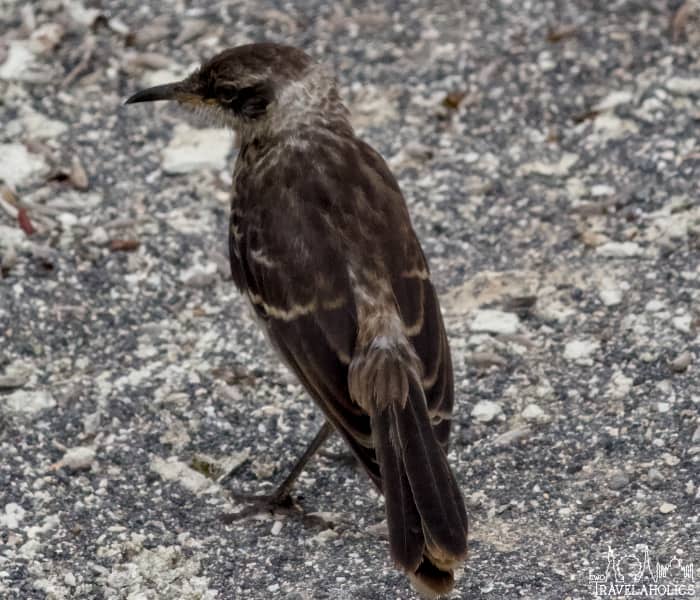
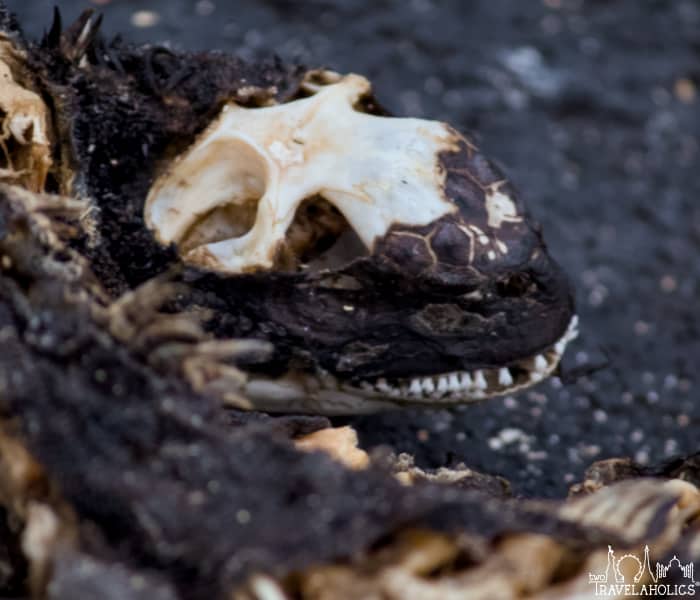
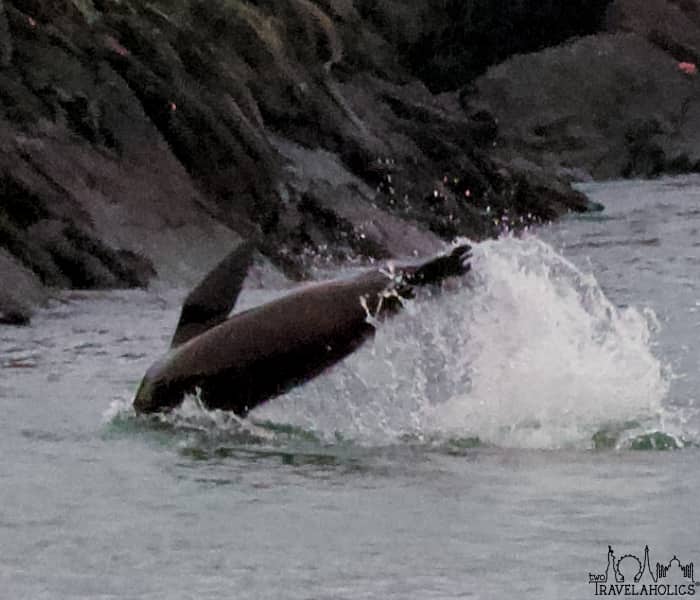
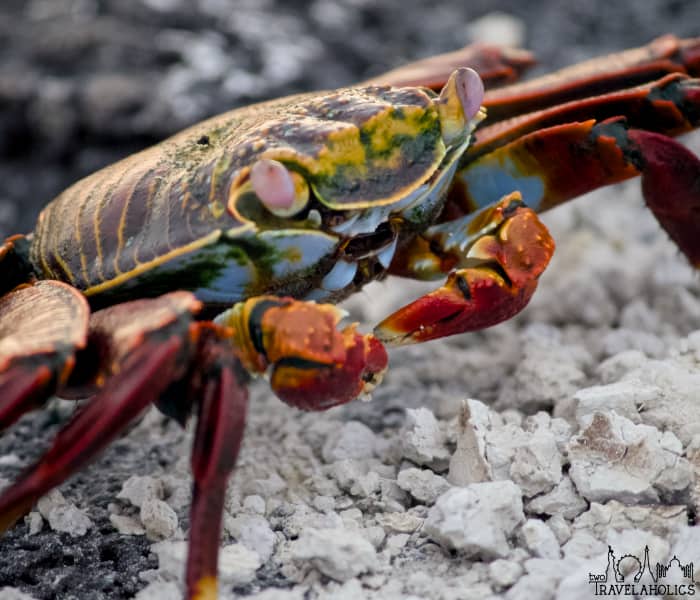
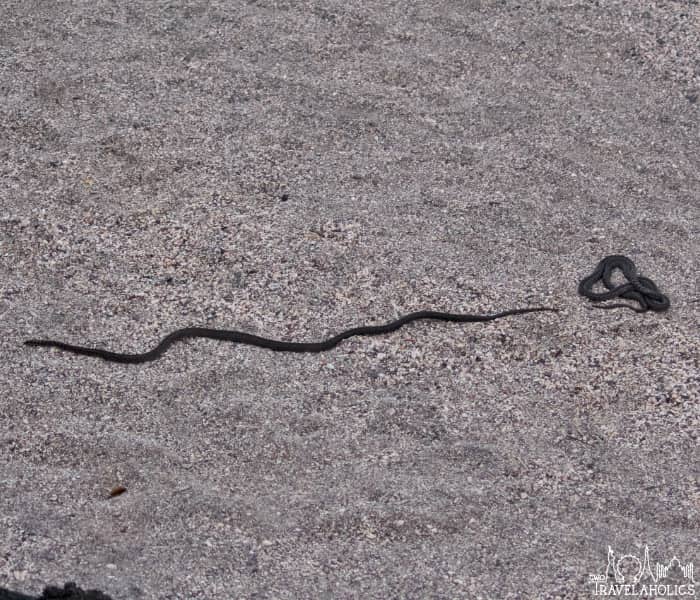
Both Tara and I were pretty shaken up after this, but the tour waits for no one. After changing out of our wet swimsuits, the next activity was set to begin. Since we technically did not touch Isabela during the Zodiac and snorkel tour, Fernandina would become the seventh Galapagos Island we would step on. This time, we did a dry landing (which meant hopping in the Zodiacs, which then took us to a dock) at Punta Espinoza/Espinoza Point. We walked around a portion of the island that alternated between sand and lava rocks. There were lots of marine iguanas, three Galapagos hawks, mockingbirds, sea turtles, sea lions, lava lizards, blue-footed boobies, snakes (this is where Planet Earth II filmed the snakes trying to eat the baby marine iguanas), marine cactus, and a baby humpback whale skeleton. As our time on the island expired, we got in Zodiacs just as the sun started setting. This rewarded us with a rainbow and a beautiful sunset over the island.
Before dinner, we were formally introduced to the crew. The captain, Milton, bartender Ramon, and chef Miguel would go out of their way to make our week aboard the Fragata memorable, though every member of the crew was exceptionally friendly. We were also treated to a cocktail toast, which Tara and I probably appreciated more than any drink we’d had in quite some time. The food on the Fragata was phenomenal and we found ourselves eating double portions, but since the days were fairly active (swimming, hiking, etc.), we didn’t gain any weight during our trip.
On the lower deck was a lounge with a couple of televisions and Roberto turned on a Galapagos documentary that highlighted some of the places we visited and would visit on the tour. It was wild to recognize some of the locations and even just think, we’re here!
After the previous night’s bust in seeing anything due to clouds, this night, we were treated to a clear sky. A group of us went to the top deck and spent a couple of hours just staring upwards. Away from islands, buildings, boats, and lights (except our ship), the number of stars our eyes could perceive numbered in what seemed like the millions. Light pollution ruins most people’s expectations of what they can see at night, so being surrounded by such beauty was calming, and the terror that had filled For the first time since the chaos in the water, we felt fully relaxed again (know that even all these years later, when I think of our snorkeling experience, my stomach drops).
Enjoyed this article? You can access the whole series below:
From Bucket List to Reality: Planning Our Galapagos Trip (How we chose the islands, experiences, and tour provider for our trip.)
Day 1: San Cristobal Island: First Steps in the Galapagos (A private tour, giant tortoises, marine iguanas, sea lions, and our first taste of life in one of the world’s most remarkable archipelagos.)
Day 2: Snorkeling Kicker Rock: Sea Turtles, Sharks, and Eagle Rays (A day of snorkeling, wildlife, and sunset beers on our first full day in the Galapagos.)
Day 3: Santa Cruz Island: Tortuga Bay and Puerto Ayora (Our first day on Santa Cruz Island combined kayaking, snorkeling, wildlife encounters, and one of the Galapagos’ most beautiful beaches.)
Day 4: South Plaza Island: Land Iguanas, Sea Lions, and a Very Bad Sunburn (A day of wildlife watching, snorkeling, sunset strolls through Puerto Ayora, and recovering from one of the worst sunburns of the trip.)
Day 5: Floreana Island: Pirate History and Sleeping Turtles (Exploring one of the least-visited islands in the Galapagos before an incredible dolphin encounter on the journey back to Santa Cruz.)
Day 6: Boarding Fragata Yacht: Life Aboard Our Galapagos Cruise Begins (Recovering from food poisoning, meeting our crew, and spending an unforgettable afternoon snorkeling with playful sea lions at Mosquera Island.)
Day 8: Isabela Island: Urbina Bay and Tagus Cove (Recovering from a frightening snorkeling experience while exploring Isabela Island, spotting giant tortoises and penguins, and ending the day beneath some of the clearest skies of the trip.)
Coming soon! Day 9: Santiago Island: Egas Port and Sombrero Chino Island (Galapagos fur seals, cave-dwelling sharks, playful penguins, and one of our favorite snorkeling spots of the trip.)
Coming soon! Day 10: A Different Side of Santa Cruz Island: A relaxed day in the Galapagos (Fish markets, giant tortoises, lava tunnels, and a quieter day exploring the Galápagos beyond the wildlife tours.)
Coming soon! Day 11: Back to Isabela Island: Las Tintoreras, Flamingos, and the Wall of Tears (An early-morning visit to Las Tintoreras led to playful snorkeling encounters before a day exploring Puerto Villamil’s tortoise center, wetlands, and wildlife-filled coastline.)


Leave a Reply